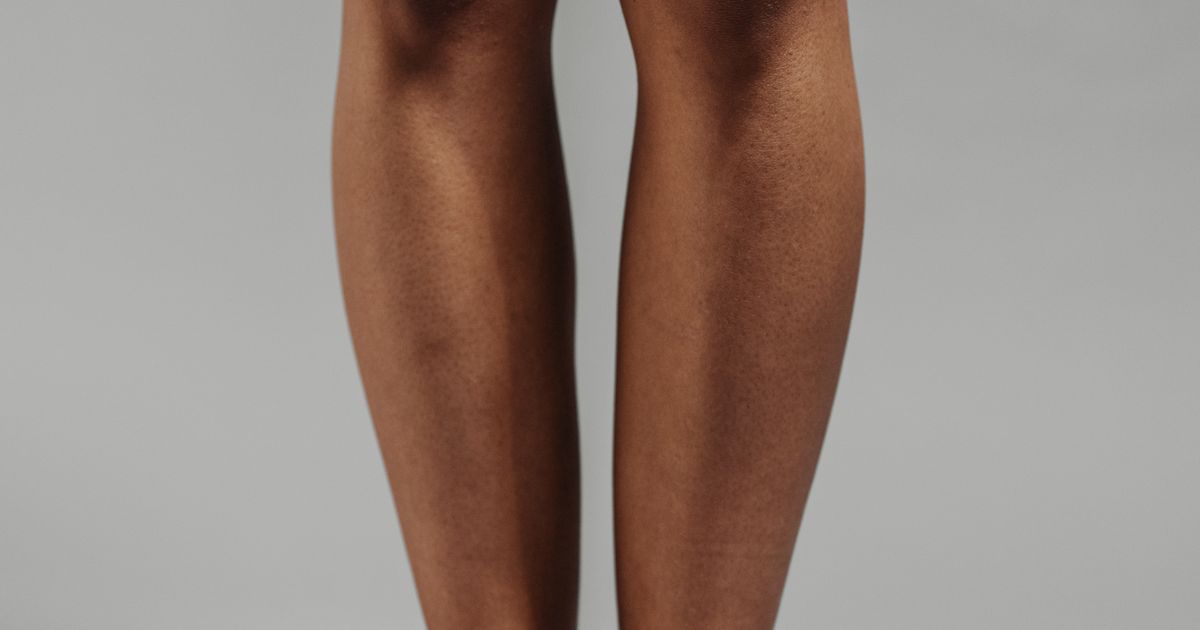
Standing All Day? A Practical Guide to Feeling Less “Heavy-Legged” After Work
If you spend most of your day on your feet—retail, hospitality, teaching, healthcare, events—you’re not imagining it: by the end of a long shift, legs can feel heavy, tight, and drained. The goal isn’t a “miracle fix.” It’s a set of realistic, repeatable habits that reduce day-to-day discomfort and help you finish the day with more energy left.
Why standing all day can feel so exhausting
When you’re upright for hours, your legs are constantly working. Even if you’re “just standing,” the muscles in your calves and feet are active, and your body has to manage pressure and load through your lower limbs.
Common end-of-day sensations include:
- Heaviness or fatigue in the calves
- A tight feeling around the ankles
- General soreness in the feet
- Feeling better when you elevate your legs
These experiences are common—and they’re often influenced by footwear, floor surfaces, hydration, movement patterns, and how much support your legs and feet get during the day.
5 simple habits that can make standing more comfortable
These are not medical treatments—just practical comfort ideas that many people find helpful.
1) Use “micro-movement” instead of staying still
Standing completely still for long periods is often harder than gentle movement.
Try:
- Shifting your weight every few minutes
- Small ankle circles behind the counter
- A brief walk to the back room when possible
2) Build two short “reset breaks” into your shift
If you can, take 1–3 minutes twice per shift:
- Sit down
- Put your feet up briefly
- Take slow breaths and relax your shoulders
Even short resets can make the second half of the day feel easier.
3) Choose shoes for stability and cushioning
Supportive footwear matters more than most people think.
Look for:
- A stable heel (not overly soft)
- Enough toe room
- Cushioning that doesn’t feel “mushy”
4) Consider supportive insoles if your shoes feel flat
Many people find that supportive insoles make standing and walking feel more comfortable because they can improve cushioning and help distribute pressure.
5) Try gentle leg elevation after work
A short “legs up” routine can feel great after a shift:
- Lie down and place your legs on a pillow or against a wall for 5–10 minutes
- Keep it comfortable—no straining
Where compression socks fit in (without overpromising)
Compression socks are designed to provide gentle, consistent compression through the lower leg. Many people find they:
- Feel less “heavy” at the end of the day
- Feel more supported during long shifts
- Notice less discomfort from standing and walking
They’re not a cure, and results vary. But for daily comfort, they can be a practical tool—especially if you’re on your feet often.
A quick sizing checklist (to avoid the #1 mistake)
The most common reason people dislike compression socks is simply the wrong fit.
Before you buy:
- Check the size chart carefully
- If you’re between sizes, choose based on the brand’s guidance
- Ensure the cuff doesn’t painfully dig in
When to pause and get professional advice
This article is for general education and does not replace professional medical advice.
Consider consulting a healthcare professional if you notice:
- Sudden or severe swelling
- Redness, heat, or unusual tenderness
- Numbness or new tingling
- Pain that is worsening or not improving
Key takeaways
- Standing all day can naturally lead to heavy, tired legs—especially without movement and support.
- Micro-movements, better footwear, and short breaks can help.
- Compression socks may be a helpful comfort tool for long shifts.
Gentle next step
If standing all day is part of your routine, explore compression socks designed for all-day comfort and see whether they fit your lifestyle and preferences.
Ready to Experience the Difference?
Try our premium compression socks with a 30-day money-back guarantee.
Shop Now

